THE WORLD CUP IS LIVE — SHOP JERSEYS, BALLS & FAN GEAR
Passion for Soccer,
Expertise in Gear.

Latest Licensed Gear,
Official and Top Brands.

Gear Up,
Dive In.
Built for Daily Grind
From Pitch to Street
Latest Licensed Gear,
Official and Top Brands.
Built for Daily Grind
June 12, 2026 3 min read
Quick answer: The 5 essential pieces of equipment for soccer are a soccer ball, soccer cleats, shin guards, goalkeeper gloves, and a goal with a net. Most players also need a uniform or practice kit, soccer socks, and a bag. The full beginner checklist is below.
Soccer asks for less gear than almost any major sport, which is part of why the whole world plays it. But the equipment you do need matters, both for performance and for safety, and as a coach I see players show up underprepared every season. Here are the five essentials, what to look for in each, and the complete checklist I hand to new players and parents.
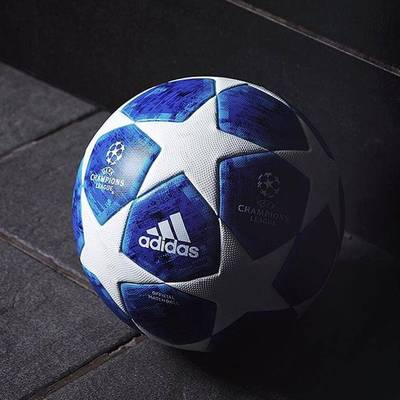
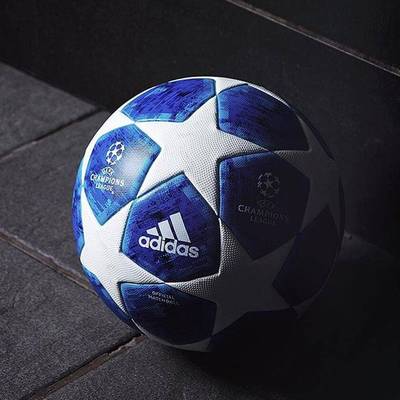
The most crucial piece of equipment in the game. A regulation size 5 ball is 27 to 28 inches around, 14 to 16 ounces, and inflated to 8.5 to 15.6 psi, but younger players need smaller sizes for proper development. Our soccer ball size guide by age tells you exactly which size to buy, and you can shop adidas soccer balls for every level from practice to match day.
Soccer cleats provide the traction that makes the game's cutting and sprinting possible. Molded studs grip natural grass, and the right fit matters more than the price tag. One coaching note: if your games or practices run on artificial turf, you want turf shoes instead, and our turf shoes vs. cleats guide explains exactly when to wear each.
Soccer is a contact sport, and shin guards are mandatory at every organized level because the shin takes the most punishment in tackles. Choose a pair that fits comfortably and covers from above the ankle to below the knee. Once you have them, our guide on how to wear shin guards correctly covers sizing, positioning, and why your socks always go over the top.
The keeper is the one position with its own equipment. Goalkeeper gloves provide grip on the ball and protect the hands during saves, with padded palms and, on many models, finger protection spines. Every team needs at least one pair in the bag, even at the rec level.
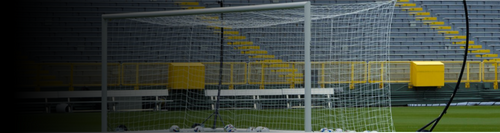
The goal is the objective of the entire game. Goals come in different sizes by age and format, from 4x6 pop-ups to full 8x24 regulation frames, and our soccer goal sizes chart breaks down the right dimensions for every level. Whatever the size, anchor it securely. That is a safety rule I do not bend on.
The five essentials get you on the field. Here is the full kit I recommend so a new player never has to borrow anything:
Wondering what all of this costs to get started? Our beginner's soccer gear cost guide breaks down realistic budgets from rec league to competitive club.
A soccer ball, soccer cleats, shin guards, goalkeeper gloves, and a goal with a net. These five cover everything the game itself requires.
Players need a ball, cleats or turf shoes for their surface, shin guards, soccer socks, and a jersey and shorts. Goalkeepers add gloves. Organized leagues require shin guards fully covered by socks.
Start with cleats, shin guards, soccer socks, a properly sized ball, and a water bottle. Skip the premium gear at first. A correct fit on a mid-range cleat beats an expensive boot that fits poorly.
Under the Laws of the Game, players must wear a jersey, shorts, socks, shin guards, and footwear. Shin guards must be covered entirely by the socks, and the two teams must wear distinguishable colors.
About the author: Ben MacRae is the founder of Goal Kick Soccer, an authorized soccer retailer since 2001, and a college head coach whose team won the 2023 NJCAA National Championship. He has outfitted thousands of players from first practice to championship matches.