SOCCER SEASON IS HERE — SHOP CLEATS, TEAM UNIFORMS & PREMIER LEAGUE KITS · FREE US SHIPPING $85+

 All Products
All Products
All Products
Passion for Soccer,
Expertise in Gear.
 Licensed Gear
Licensed Gear
Licensed Gear
Latest Licensed Gear,
Official and Top Brands.
 Goalkeeper
Goalkeeper
Goalkeeper
Gear Up,
Dive In.
 Coaches Equipment
Coaches Equipment
Coaches Equipment
Built for Daily Grind
Apparel
Apparel
From Pitch to Street
 Soccer Goals
 Soccer Balls
Soccer Balls
Soccer Balls
Top quality,
Top Brands.

Quick answer: A complete soccer training setup starts with proper-size balls, flat and tall cones, a goal or rebounder, and pinnies. Add an agility ladder, hurdles, and a dribble stick as players advance, plus gloves and reaction tools for keepers. Below is the full equipment list I run college practices with, organized by purpose, including what actually matters for training alone at home.
I have set up thousands of practices, from youth club sessions to a national championship college season, and the truth about training equipment is simple: a short list of versatile tools beats a garage full of gadgets. The gear below is what earns a spot in my equipment bag, why it earns it, and where each piece fits depending on whether you are running a team session or training alone in the backyard.
Soccer balls, sized correctly and in quantity. Nothing kills a session like three players sharing one ball. Younger players need the right ball size for their age, and every player benefits from a consistent, quality ball. My breakdown of the best training balls by age covers exactly what to buy, and you can shop adidas and Select training balls directly.
Cones and markers. The unsung heroes of every practice plan. Flat discs for agility and grids, tall cones for dribbling gates and boundaries. Rearrange them and you have a new drill in thirty seconds. If you only buy two pieces of training gear, buy balls and cones.
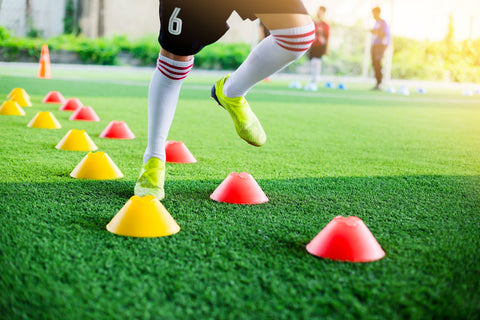
Goals and nets. Full-size goals and nets simulate match situations, while pop-up and mini goals are perfect for finishing drills and small-sided games. Not sure what size fits your age group? Our soccer goal sizes chart settles it.
Training bibs and pinnies. Ever tried running a scrimmage without them? Pure chaos. Two colors minimum, three if you run rondo variations with a neutral player.
Most player development happens outside of team practice, and the right tools make solo sessions twice as productive because nobody is chasing the ball.
Rebounders. The single best solo investment. A rebounder returns passes and shots at varying speeds and angles, so you can train passing, receiving, and first touch with full reps and zero ball chasing. No rebounder yet? A solid wall does honest work too.
Dribble sticks and slalom poles. They stand in for defenders and force you to move the ball through tight spaces. Adjustable arms let you scale difficulty from beginner to advanced footwork patterns.
Solo training belts. The ball attaches to your waist on an elastic tether and comes back after every kick. Great for first touch volume and volley technique in a small yard.
Weighted balls. Heavier balls build leg strength and force clean striking technique. Use them in short doses, then go back to a regulation ball so your timing stays sharp.
Pop-up and portable goals. Smaller targets sharpen shot placement. Move them around the yard to change angles, and finishing practice never gets stale.

Agility ladders lay flat on the ground and build foot speed and coordination, and hurdles add explosive lower-body work on top. Resistance bands, parachutes, and weighted vests raise the intensity for older players and simulate the strength demands of match play. I have watched players visibly change direction faster within weeks of consistent ladder and hurdle work.
Goalkeeper gloves are not an accessory, they are the position. Look for the right balance of grip, protection, and fit, and keep a training pair separate from your match pair. Shop adidas, Puma, and Reusch goalkeeper gloves, and once you own a good pair, our guide on cleaning goalkeeper gloves will double their lifespan.
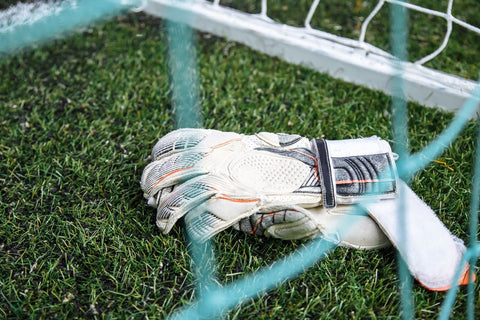
Reaction balls bounce unpredictably and train the split-second reflexes that decide games, and diving mats let keepers rep extension saves at full commitment without the bruises.
Equipment only matters if the session design uses it well. Every practice I plan starts with one focus, such as passing accuracy, pressing, or finishing, and the gear gets pulled to serve that focus rather than the other way around. Rotate the tools week to week so players stay challenged, keep drills tight so reps stay high, and resist the gadget trap. GPS trackers and smart balls produce interesting data at the college level, but a youth player with a ball, a wall, and a bag of cones outworks a gadget collection every time.
Maintenance is part of coaching too. Check your pump and pressure gauge before every session, because an under-inflated ball quietly ruins technical training. Our quick guide on inflating a soccer ball properly takes two minutes and pays off every practice.
Shop All Soccer Training Equipment
The core list is soccer balls sized for your age group, flat and tall cones, a goal or net, and training bibs for team play. From there, add a rebounder, agility ladder, hurdles, and a dribble stick as skills advance.
For overall value, quality balls and a set of cones train more skills per dollar than anything else. The best single upgrade after that is a rebounder, because it makes solo training fully productive.
A properly sized ball, a few cones, and a rebounder or wall cover most home training. A dribble stick set, a solo training belt, and a pop-up goal round out a complete backyard setup.
Coaches typically run sessions with a bag of balls, flat discs and tall cones, pinnies in two or three colors, portable goals, an agility ladder, hurdles, and a pump with a pressure gauge. Goalkeeper coaches add gloves, reaction balls, and mats.






MarHire
June 13, 2026
Book car rentals, private drivers, boat trips & activities across Morocco. No deposit, full insurance, free airport pickup in 7 cities.
Car rental morocco
Website: https://marhire.com