SOCCER SEASON IS HERE — SHOP CLEATS, TEAM UNIFORMS & PREMIER LEAGUE KITS · FREE US SHIPPING $85+

 All Products
All Products
All Products
Passion for Soccer,
Expertise in Gear.
 Licensed Gear
Licensed Gear
Licensed Gear
Latest Licensed Gear,
Official and Top Brands.
 Goalkeeper
Goalkeeper
Goalkeeper
Gear Up,
Dive In.
 Coaches Equipment
Coaches Equipment
Coaches Equipment
Built for Daily Grind
Apparel
Apparel
From Pitch to Street
 Soccer Goals
 Soccer Balls
Soccer Balls
Soccer Balls
Top quality,
Top Brands.

There’s something almost magical about juggling. Watching a player keep the ball bouncing with perfect rhythm, on their feet, thighs, or even their head, makes it look like second nature.
But here’s the secret: anyone can learn it. Mastering how to juggle a soccer ball isn’t just about looking flashy; it’s one of the best ways to sharpen your touch, balance, and confidence.
And you don’t need a field or a full team - just a soccer ball, a little space, and the willingness to keep trying.
Juggling builds the foundation for nearly every soccer skill.
Each touch forces you to focus, adjust, and react. That translates directly into better dribbling, smoother passing, and a softer first touch under pressure. It’s a workout for your coordination as much as your technique.

It also builds patience. You’ll drop the ball over and over, but each mistake is a clue: maybe you leaned too far, hit with the wrong part of your foot, or used too much force. That instant feedback makes juggling one of the fastest teachers in the game.
Your first goal shouldn’t be juggling endlessly. Start small, just one clean touch. Drop the ball from your hands, kick it once with control, and catch it. Repeat until it feels natural.
Here are a few beginner-friendly drills:
Drop And Kick: Hold the ball, drop it, and kick it back into your hands.
Bounce Juggles: Let the ball bounce once between touches to give yourself extra time.
Thigh Pops: Drop the ball to your thigh, lift it gently, then catch it.
These drills teach your body how much force is needed to lift the ball just a few inches instead of sending it flying.
Once you’re comfortable with single touches, go for two. Then three. The hardest part isn’t power, it’s rhythm.
Think of it like keeping a steady beat on a drum. One strike that’s too strong throws the whole thing off. Aim to keep the ball around waist height and your movements even.
Balance is just as important. If you lean too far forward or backward, you’ll chase the ball instead of controlling it. Stay relaxed, knees bent, and light on your toes. It’s almost like dancing; being centered makes everything easier.
You’ll make plenty of mistakes, but most fall into a few categories:
Too Much Power - If the ball keeps flying away, focus on softer touches.
Using Toes Instead Of Laces - Striking with your toes makes the ball unpredictable.
Hunching Over – Keep your head up and use your peripheral vision.
Standing Flat-Footed – Stay on your toes so you can react quickly.
The trick is to notice why you lost control. Each drop is feedback.
Once your feet feel steady, add other parts of your body. Juggling with different surfaces makes you adaptable:
Thighs: Perfect for controlling high balls.
Chest: Absorb the ball gently so it rises back up.
Head: Helps with timing and confidence in aerial play.
Try mixing them: foot, thigh, head, back to foot. At first, it’ll feel clumsy, but soon it becomes a natural sequence.
Some days you’ll juggle 20 times, and the next day you’ll struggle to reach three. That’s normal. Improvement isn’t a straight line.
Set small goals. Aim for five touches, then ten. Celebrate little milestones. Many players even find juggling calming: the rhythm, the repetition, the focus. Once you hit that flow state, it feels less like practice and more like play.
Here are a few drills that build skill and consistency:
One-Two Drill: Alternate between feet to keep both sides sharp.
Walking Juggles: Move slowly forward or in a circle while juggling.
Surface Focus: Use just your thighs or just your feet for as long as possible.
Counting Sets: Do sets of 10, 20, or 30 touches. Rest, then go again.
These drills keep practice structured while still challenging your control.
Competition makes juggling more fun. Time yourself and see how long you can keep the ball up. Or go against a friend. The one who drops first buys the snacks.
Coaches often use juggling challenges during training because they push players while keeping the mood light.
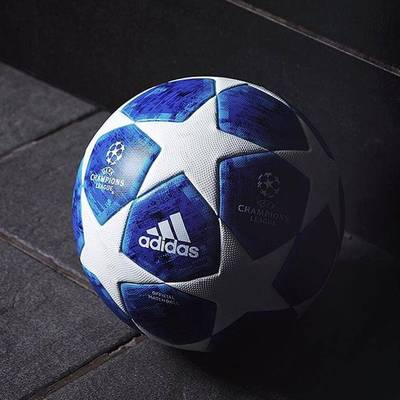
Not all soccer balls feel the same. A well-made ball reacts predictably, while cheap ones bounce too much or feel like rocks. Having the right ball makes juggling smoother and more enjoyable.

For an extra challenge, try juggling with a futsal ball or even a tennis ball. Switching sizes sharpens control. Then, when you return to a regulation ball, it feels easier.
Brands like Puma, Adidas, and Select make some of the best training soccer balls, designed to help players build control.
Need inspiration? Watch players like Ronaldinho or Neymar juggle. With tricks, spins, and flair, they show mastery across different types of soccer balls and turn practice into pure creativity.
But don’t skip steps. They all started with the basics, building consistency before layering on style. Once you’re steady, you can start adding your own flair too.
You won’t see juggling mid-match, but its benefits show up constantly.
That smooth first touch when a pass comes in hot? Juggling practice. Bringing down an awkward aerial ball under pressure? Juggling again. Even balance when shielding an opponent can trace back to juggling.
That’s why coaches often include it in warmups. It quietly develops skills that show up in real play.
The beauty of juggling is that you don’t need long sessions. Ten to fifteen minutes a day is enough. Do it in the morning, during a study break, or before bed.
Consistency beats marathon sessions. Daily practice (even short ones) teaches your body to treat the ball like a friend, not a stranger.
Making juggling part of your routine is simple: keep a ball nearby, set small targets, and track your progress.
But most importantly, enjoy it. Juggling is meant to be playful, and when practice feels fun, improvement comes naturally.
Mastering how to juggle a soccer ball is more than keeping it in the air; it’s about building a connection with the game.
Every touch teaches you control, patience, and rhythm. Every drop is another step forward. Over time, juggling shapes not only tests your technical skill but also your confidence.
And having the right ball makes the journey easier. That’s where GoalKick Soccer helps, offering the right gear for soccer to keep your training effective and fun.
Grab a ball, find a little space, and start juggling! You’ll be surprised how quickly it changes your game.
Browse our collection today, pick your ball, and take your game to the next level!